Flagship technology
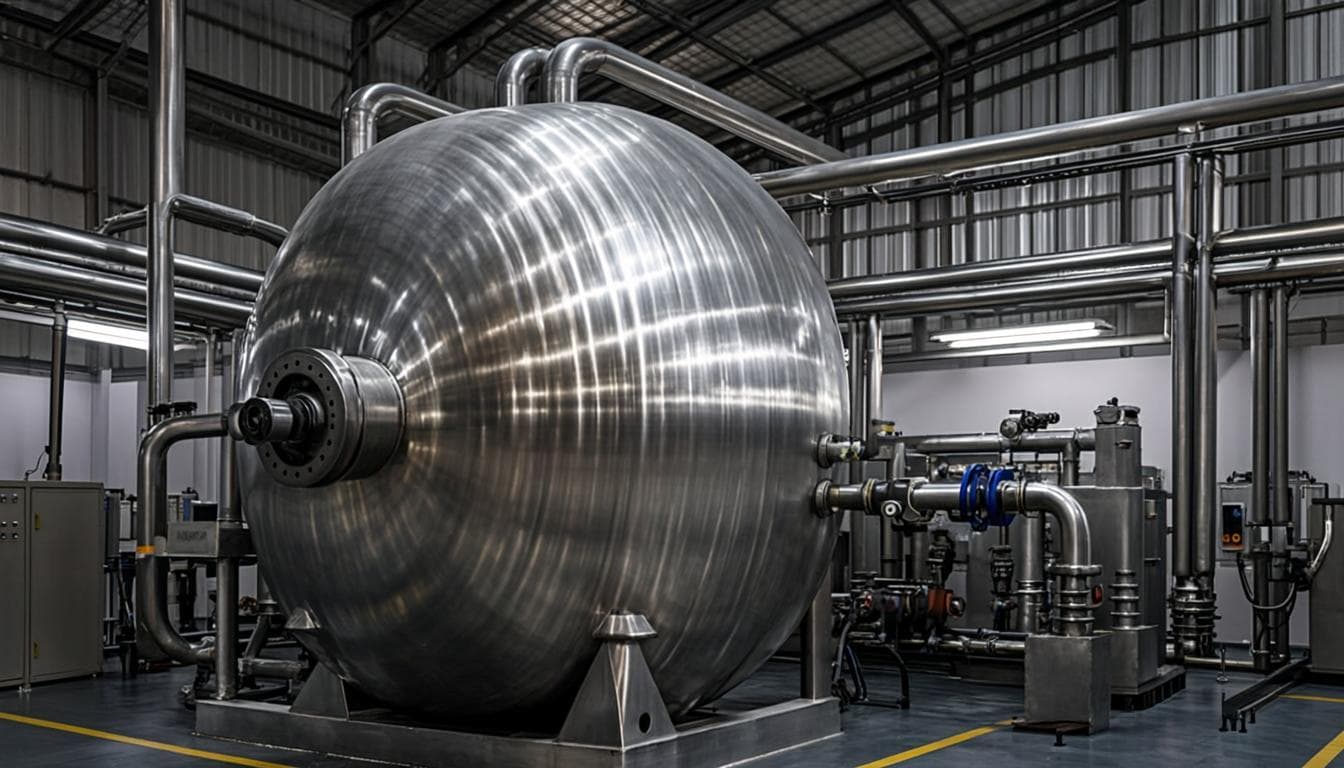
Gasification, engineered
from fuel to flare-point.
Independent process engineering for thermochemical conversion — from feedstock characterization and technology selection through gas cleaning, energy recovery and operation.
Temperature range
750–1000 °C
Conversion efficiency
Up to 85%
Combined H&P
> 83%
Electrical efficiency
> 40%
01 · Fundamentals
What gasification is
Not burning the fuel — converting it into something more useful.
Gasification is a thermochemical process that converts carbonaceous feedstocks into syngas at high temperature under a controlled, oxygen-limited atmosphere. Instead of releasing the fuel's energy in a single combustion step, gasification transfers it into a gas that can be cleaned, measured and directed.
That control is the entire point. Cleaned syngas can drive engines and turbines, raise process steam, or serve as feedstock for hydrogen, methanol and ammonia synthesis. Emissions are managed upstream in the gas train rather than remediated downstream in the flue.
The technology is demanding — tar chemistry, ash behaviour and feedstock variability punish optimistic design. That is why TOKEF's gasification practice is built on measurement: characterize the fuel, model the process, engineer the cleaning train, and verify performance against guaranteed figures.
The fuel decides. We make sure of it.
Every conversion route we recommend begins with laboratory characterization — moisture, ash chemistry, calorific value and consistency define the engineering envelope.
Woody biomass
Chips, pellets, forestry residues — the reference fuel class.
Agricultural residues
Straw, husks, prunings — energy-dense but ash-critical.
Refuse-derived fuels
RDF/SRF from sorted waste — chlorine and variability demand robust cleaning.
Agro-industrial wastes
Olive cake, bagasse, nut shells — site-local and often overlooked.
Sewage sludge
Dried sludge conversion with dedicated emissions engineering.
Energy crops
Dedicated cultivation where logistics require it.
Meat & bone meal (MBM Cat 1)
Category 1 animal by-products — regulated high-ash feedstock demanding complete thermal oxidation and strict emissions control.
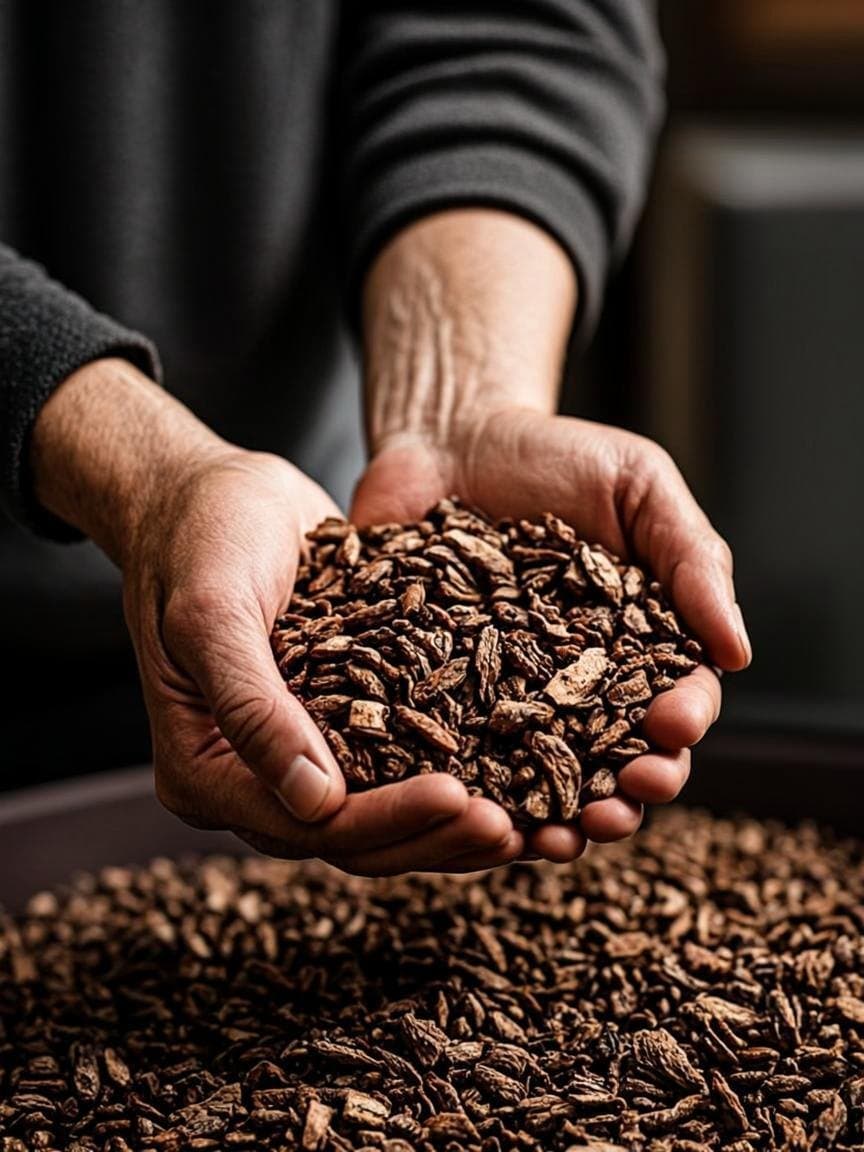
From feedstock to energy carrier.
Five engineering domains, one integrated chain. Each stage is designed against the measured fuel envelope — never against brochure values.
Thermochemical conversion
Fluidized bed, fixed bed and plasma concepts selected against the fuel — with pyrolysis and hydrothermal routes where appropriate.
Process engineering
Heat and mass balance, CFD modelling and automated control systems engineered as one coherent design.
Gas cleaning
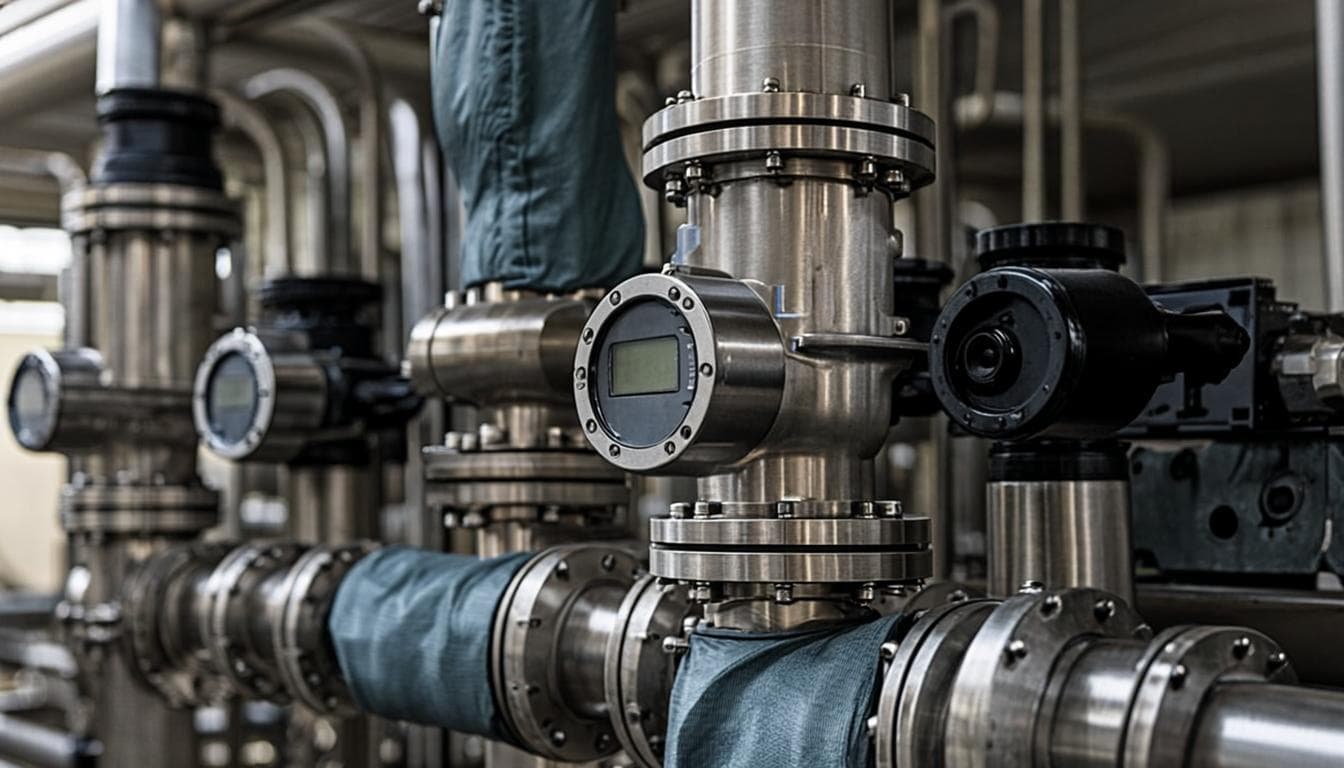
Multi-stage particulate, tar and acid gas removal engineered to the downstream application's tolerance.
Energy recovery
Power, heat, hydrogen and synthesis routes matched to site demand and market reality.
Compliance engineered upstream.
Gasification's environmental advantage is only real if the cleaning train is engineered honestly — around measured contaminant loads, not averages.
< 50mg/Nm³
NOx achieved on operating plants
< 5mg/Nm³
Particulate matter
24/7
Real-time emissions monitoring
IEC61508
Functional safety basis
One platform. Multiple energy products.
Cleaned syngas is a platform, not a product. The right output strategy depends on site demand, market and scale — and can evolve as markets shift.
Power & heat
Gas engines, turbines and boilers — the shortest path to revenue at moderate scale.
Hydrogen
Water-gas shift plus purification, for sites with hydrogen demand or nearby offtakers.
Biofuels & chemicals
Methanol, ammonia and synthetic fuels — demanding gas quality, larger scale.
Questions we are asked most.
A wide range — woody biomass, agricultural residues, energy crops, sewage sludge, refuse-derived fuels (RDF/SRF) and many agro-industrial wastes. What matters is not the label but the measured properties: moisture, ash chemistry and consistency. Our laboratory characterizes each candidate fuel before any reactor decision is made.
Combustion burns the fuel directly in excess air. Gasification converts it partially, at 750–1000 °C under controlled atmosphere, into syngas — a combustible gas mixture. That intermediate product can be cleaned, measured and used for power, heat, hydrogen or synthesis, giving far more control over emissions and outputs.
Thermochemical conversion efficiency can reach up to 85% depending on feedstock and technology. Combined heat and power configurations typically exceed 83% total efficiency, with electrical efficiency above 40% in well-integrated schemes. Real figures depend on the fuel envelope and energy demand profile — which is exactly what a proper feasibility study establishes.
In order of practical importance: feedstock variability, ash slagging and fouling, tar management in the gas cleaning train, and process integration with downstream energy users. Each is manageable — but only with honest fuel data and disciplined process engineering from the start.
There is no single answer — economic scale depends on feedstock logistics, energy demand on site and product strategy. What we can say from experience: projects fail more often from optimistic feedstock assumptions than from wrong reactor sizing. Scale decisions should follow fuel reality, not precede it.
At the concept stage, before technology is chosen. Feedstock characterization and technology screening at the beginning cost a fraction of redesigning a project after wrong commitments — and they establish the bankable engineering basis that lenders and investors expect.
Next step
Evaluating gasification
for a specific site or fuel?
Bring us the feedstock data — or let us characterize it in our laboratory. We will tell you honestly what the numbers support.