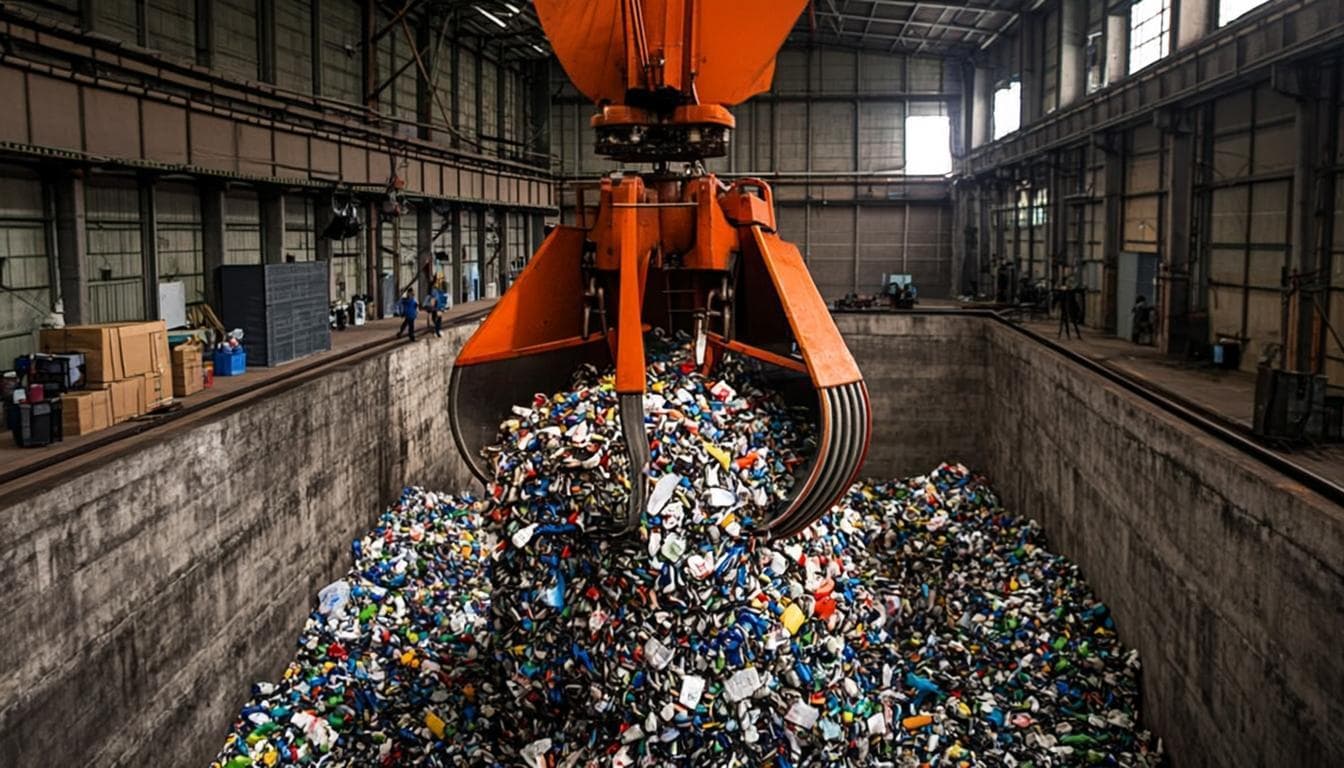
Thermal conversion
Residual waste is not an
endpoint. It is a fuel.
TOKEF engineers waste-to-energy systems that divert residues from landfill, recover their energy value and meet the strictest emission standards — with independent advice across every technology option.
Route
Thermal treatment
Fuels
RDF · SRF · MSW fractions
Emissions
Engineered compliance
Outputs
Power · heat · syngas
01 · The context
Landfill costs rise. Emission rules tighten. Energy prices stay volatile. Waste-to-energy answers all three — when it is engineered honestly.
Residual waste — the fraction that cannot be recycled — still contains substantial chemical energy. Thermal treatment converts it into power and heat while reducing volume by around 90%, replacing disposal cost with energy revenue.
But waste is the most demanding fuel class in thermal engineering: heterogeneous, chlorine-bearing and variable by the hour. Successful projects are those where the feedstock analysis, combustion or conversion concept, and gas cleaning train were engineered as one system from day one.
TOKEF is independent of boiler vendors and EPC contractors. We screen the options, run the feasibility numbers and — when the concept does not hold — we say so before capital is committed.
Selecting the right route for the right waste.
There is no universal waste-to-energy technology — only fit-for-purpose selections against a characterized waste stream.
Mass-burn energy-from-waste
Proven grate-fired plants for municipal solid waste at large scale — robust, well understood, demanding in flue gas treatment.
Gasification of sorted fractions
RDF and SRF conversion to syngas with advanced cleaning — tighter control, higher value products, stricter fuel preparation.
Co-processing in industry
Substitution of fossil fuels in cement, lime and other industrial processes — often the fastest route with lowest capital exposure.
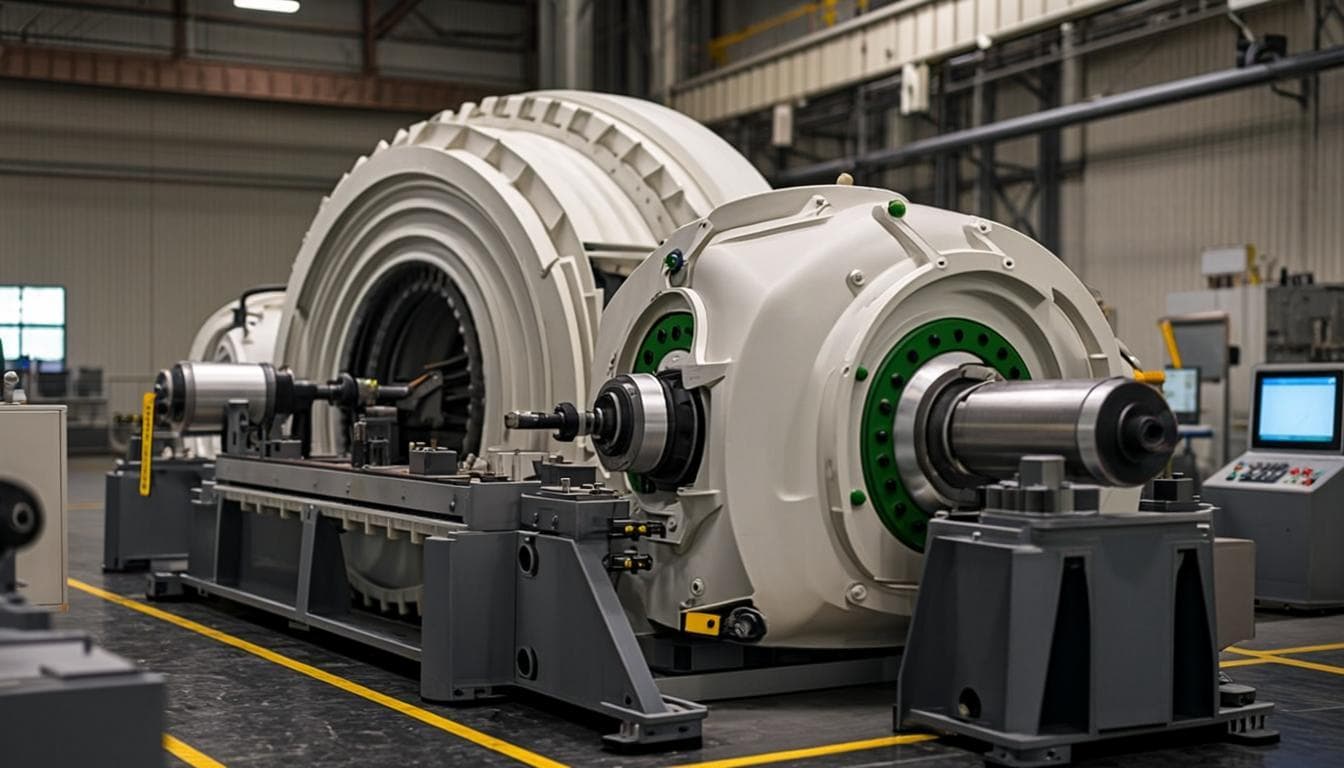
Where WtE projects are won or lost.
Waste characterization
Composition, calorific value and seasonal variability — measured, not assumed.
Emissions engineering
Acid gases, NOx, particulates and dioxin pathways engineered for permit compliance.
Energy integration
Power, district heat and process steam matched to real offtake, not theoretical output.
Residue management
Bottom ash and fly ash treatment routes defined before permits are filed.
Questions we are asked most.
Our published references cover sorted residual fractions (RDF/SRF), mixed waste residues and agricultural residues. The deciding factor is not the label — it is a characterized calorific and compositional profile, established through laboratory analysis before any route is selected.
Published engineering figures from our work include NOx below 50 mg/Nm³ and particulates below 5 mg/Nm³, with the Puertollano syngas reference achieving NOx below 30 mg/Nm³. Permit compliance is engineered per site — the gas cleaning train is sized to the waste, not to a brochure.
Published figures from our engineering work: electrical efficiency above 40% and combined heat and power above 83% where a real heat offtake exists. Energy integration is matched to actual offtake — power, district heat or process steam — not to theoretical output.
Measured waste characterization first, a hard feasibility gate before capital, vendor-neutral technology selection, then owner's-engineer support through FEED, tender analysis and construction — so the plant you sign for is the plant you get.
Next step
Planning a waste-to-energy
project or evaluating a plant?
From municipal feasibility studies to owner's engineering on operating facilities — bring us the waste stream, and we will bring the numbers.