Gasification is often framed as a power technology, but its strategic value lies elsewhere: raw syngas — a mixture of hydrogen, carbon monoxide, CO₂ and lighter species — is a chemical platform. Once cleaned to specification, it can be burned for heat and power, conditioned into hydrogen, or synthesized into methanol, ammonia and synthetic fuels.
That flexibility is what makes gasification interesting for industrial decarbonization: the same front-end can serve different product strategies as markets evolve.
Once cleaned to specification, syngas can be burned for heat and power, conditioned into hydrogen, or synthesized into methanol, ammonia and synthetic fuels.
Cleaning is the real technology
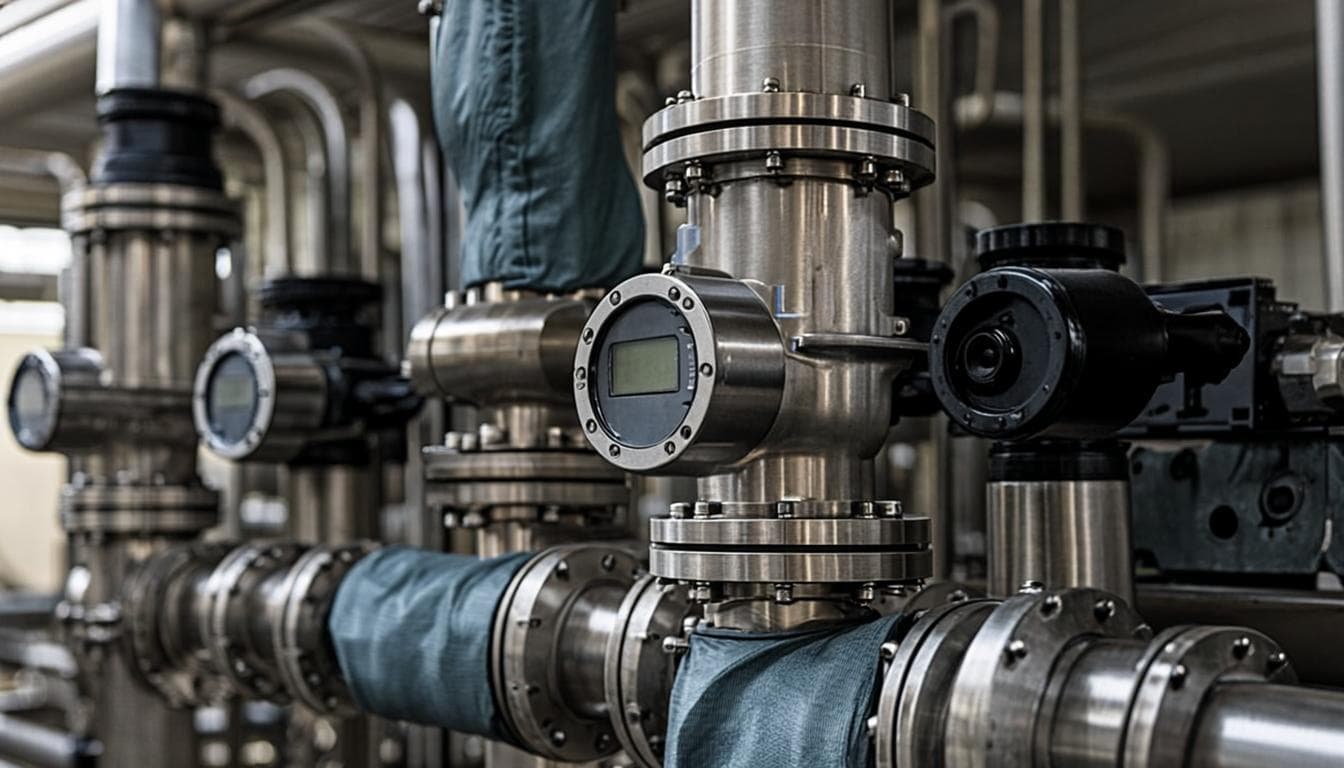
The gap between raw product gas and a usable energy carrier is bridged entirely by gas cleaning and conditioning. Particulates, tars, sulfur and chlorine species must be reduced to levels the downstream application tolerates — and those levels vary enormously between an industrial burner, a gas engine and a synthesis catalyst.
This is why experienced project teams spend disproportionate engineering effort on the cleaning train. It is usually where availability is won or lost.
Choosing the route
Route selection is an engineering economics exercise: feedstock characteristics, product market, scale and existing site infrastructure all shift the optimum. A few patterns hold broadly:
- Combustion-grade cleaning to gas engine or boiler is the shortest path to revenue at modest scale.
- Hydrogen production via water-gas shift plus purification suits sites with existing hydrogen demand or nearby offtakers.
- Methanol and ammonia synthesis demand the highest gas quality and favour larger scale with strong product markets.
- Polygeneration — power plus process steam plus a synthesis product — improves project resilience against single-market volatility.
Engineering the platform honestly
None of these routes are plug-and-play, and claims that they are should be treated with caution. The honest engineering path runs through fuel characterization, process simulation and staged investment: prove conversion and cleaning at the site's real feedstock first, then extend toward higher-value products.
TOKEF supports this progression end to end — from laboratory fuel characterization through process design, feasibility economics and FEED — so that platform ambition is grounded in measured feedstock reality.
Working on a project this article touches?
Our engineers apply these principles daily — in feasibility studies, laboratories and plant projects.
Talk to the team